Thematic series

Information Economics and Network Economics

Information goods, network effects, platforms, monetisation and regulation.

Published on · Valber Gregory· 9 publications

  • Information Economics
  • Network Economics
  • Digital Economy
  • Information Systems
  • Digital Platforms
  • Regulation
  • Data and Technology
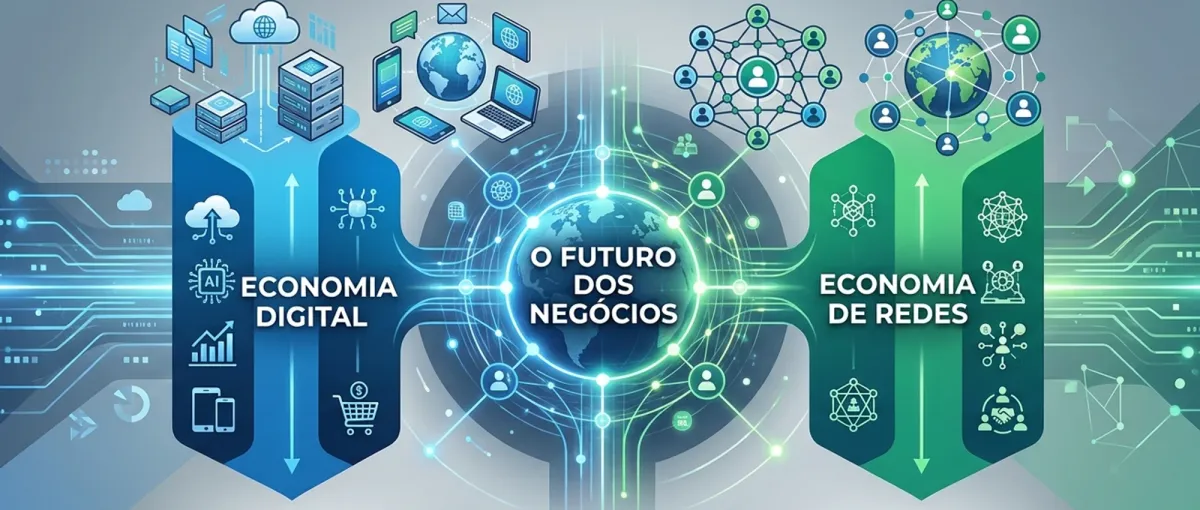
Panel titled "The future of business" linking two blocks, Digital Economy and Network Economics, through a network of nodes and connections over a globe.

About the series

The digital economy calls for a reading that brings technology, incentives and institutions together. Data, software and knowledge take part in the creation of value, but they also change contracts, forms of competition, relationships of dependence and users’ rights. That is why a decision about data collection, system architecture or platform design produces effects that go beyond the technical operation of the solution.

This series grew out of the Digital Economy and Digital Law courses I teach in the Information Systems programme at the Federal University of Alagoas. The aim is to present economic concepts in an accessible way, without losing the rigour needed to relate them to concrete problems of systems development, organisational management and public policy design.

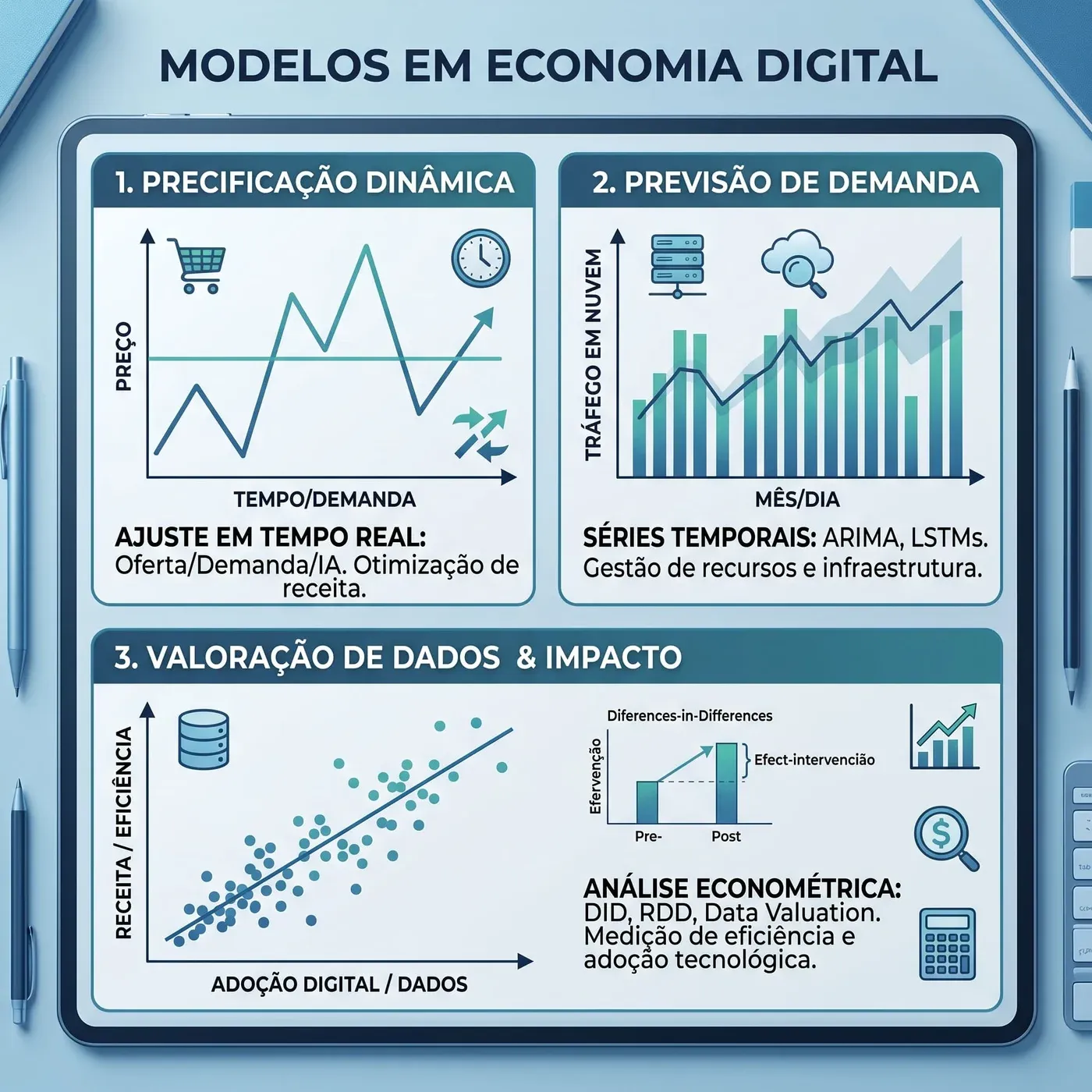
The topics also lend themselves to empirical investigation. Graph theory and social network analysis make it possible to map relationships, flows, centrality and influence. Network externality models help examine how the arrival of new users changes the value of a service. The literature on multi-sided platforms studies the interaction between distinct groups, price formation and cross-subsidies. In applications aimed at the digital economy, dynamic pricing combines information on supply, demand and behaviour, while time-series models such as ARIMA and LSTM can support demand forecasting and infrastructure planning. Econometric methods, among them difference-in-differences and regression discontinuity, are also useful for evaluating technology adoption, efficiency and impact.
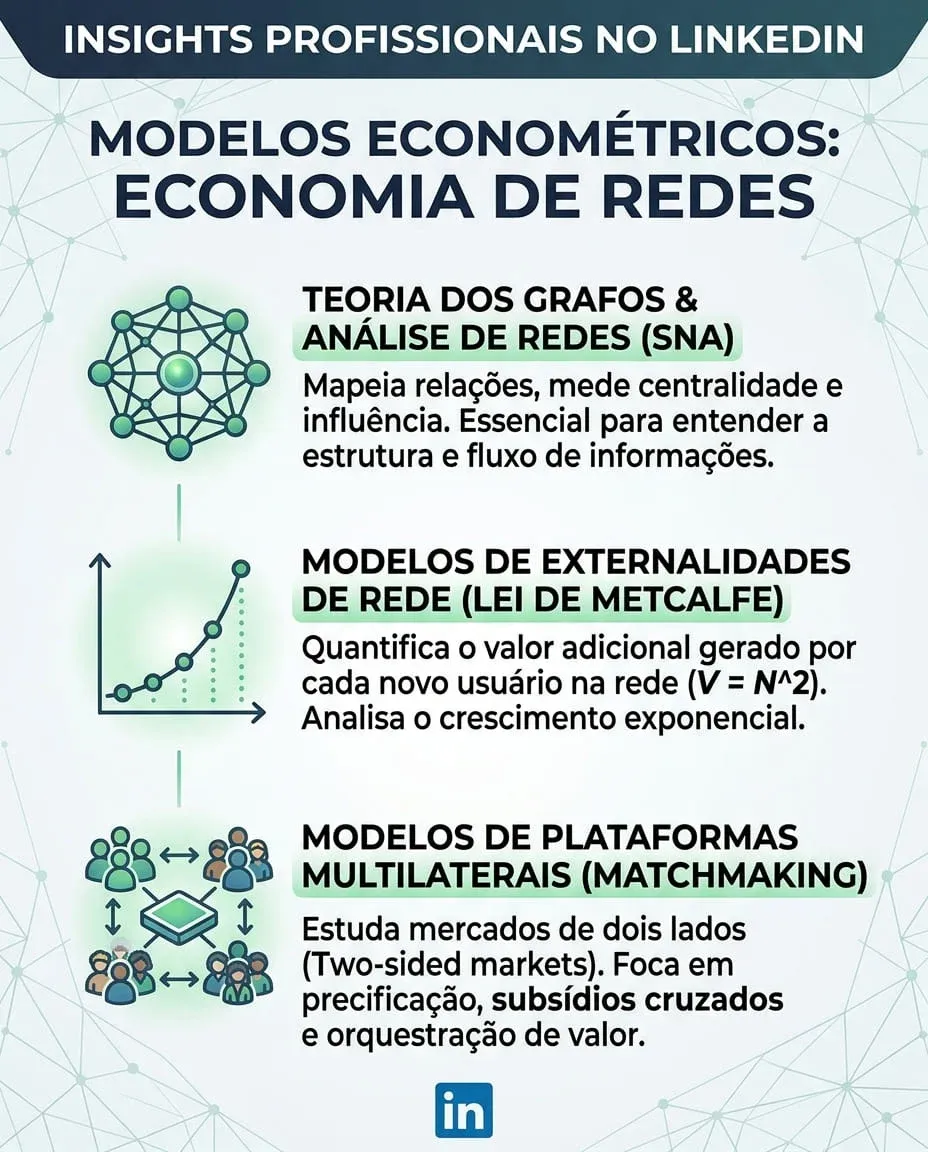
Panel “Econometric models: network economics”: graph theory and social network analysis (SNA), which maps relationships and measures centrality and influence; network externality models (Metcalfe’s law), which quantify the additional value of each new user; and multi-sided platform (matchmaking) models, which study pricing, cross-subsidies and value orchestration in two-sided markets.

Panel “Models in the digital economy”: dynamic pricing (real-time price adjustment driven by supply, demand and algorithms); demand forecasting with time series (ARIMA, LSTM) for resource and infrastructure management; and data valuation and impact assessment with econometric analysis (difference-in-differences, regression discontinuity and data valuation) to measure efficiency and technology adoption.

In short, understanding the economics of information and networks makes it possible to evaluate digital products as systems of incentives, and not merely as sets of features. This perspective helps professionals and students reach decisions that are technically consistent, economically sustainable and legally responsible.

Publications in the series

  1. Part 1

    Information Economics

    With data, knowledge and networks we create value.

    Information economics studies how information and knowledge shape decisions, markets, contracts and forms of productive organisation. In the digital economy, information stops being an auxiliary resource and becomes an economic asset, a productive input and a source of power.

    Read the full piece 3 min read

    • Information Economics
    • Digital Economy
    • Information Systems
    • Data and Technology
  2. Part 2

    Information changes decisions

    Data, knowledge and systems alter choices.

    Economic decisions depend on the information available. When the parties know different things, adverse selection, moral hazard, distrust and inefficient contracts appear, and information systems can either reduce or concentrate those asymmetries.

    Read the full piece 2 min read

    • Information Economics
    • Information Asymmetry
    • Information Systems
    • Public Management
  3. Part 3

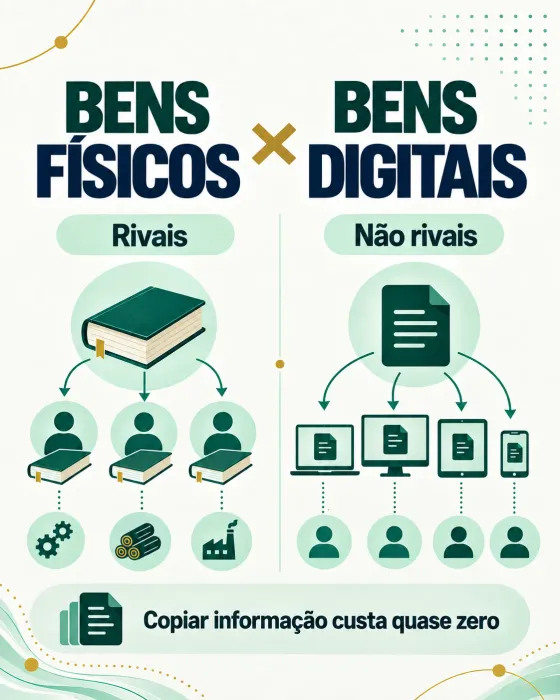
    Physical goods × digital goods

    Copying information costs almost nothing.

    A physical good is rival; information and many digital goods are not. The initial production cost can be high, but an extra copy costs almost nothing, and that changes pricing and favours subscriptions, advertising, licensing, versioning, bundles and freemium.

    Read the full piece 2 min read

    • Information Economics
    • Digital Goods
    • Pricing
    • Digital Economy
  4. Part 4

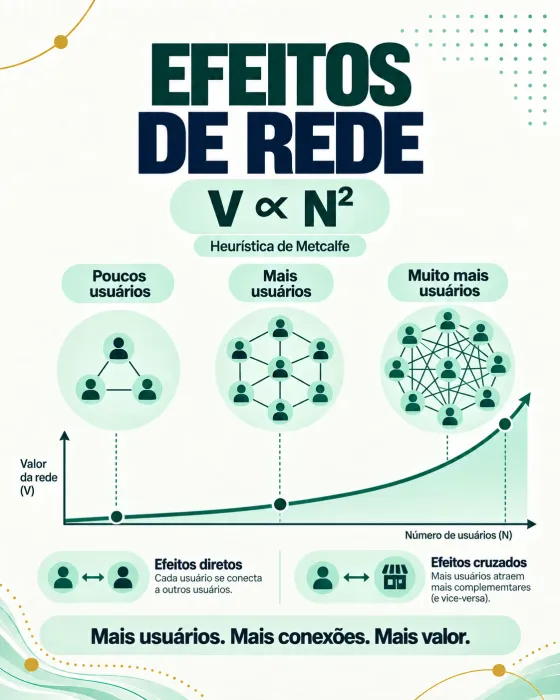
    Network effects

    More users. More connections. More value.

    Network effects arise when the value of a product grows as more people use it, directly, as in messaging apps, or across groups, when one side attracts the other. The challenge for platforms is to reach critical mass.

    Read the full piece 2 min read

    • Network Economics
    • Network Effects
    • Digital Platforms
    • Metcalfe's Law
  5. Part 5

    Multi-sided markets

    One platform connects different groups.

    Multi-sided platforms bring together groups that need each other: consumers and sellers, passengers and drivers, developers and users. Each side's value depends on the other, which creates the chicken-and-egg problem and justifies cross-subsidies.

    Read the full piece 2 min read

    • Network Economics
    • Digital Platforms
    • Two-Sided Markets
    • Information Systems
  6. Part 6

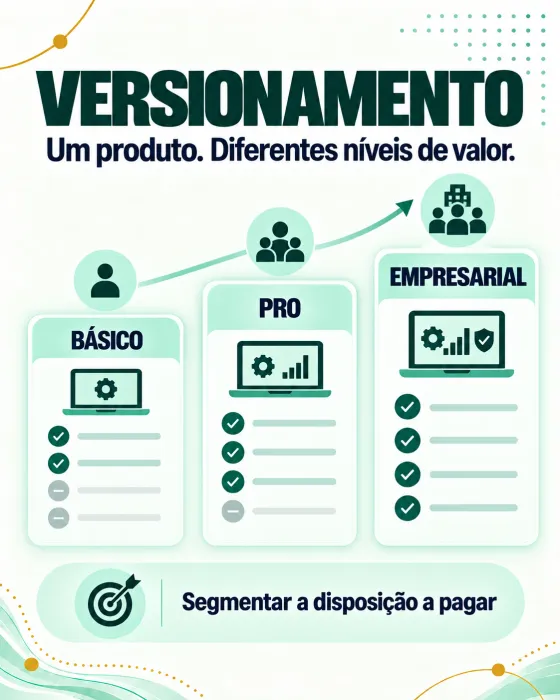
    Versioning

    One product. Different levels of value.

    Versioning means offering different versions of the same product to audiences with different needs and willingness to pay, varying features, capacity, support, security or number of users, without developing separate products.

    Read the full piece 2 min read

    • Information Economics
    • Pricing
    • Versioning
    • Business Models
  7. Part 7

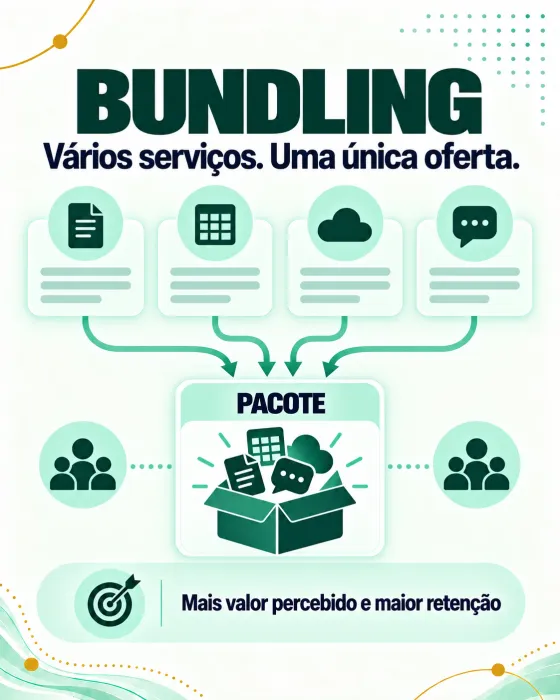
    Bundling

    Several services. A single offer.

    Bundling is the grouping of products or services into a single package that usually costs less than the components bought separately, raises perceived value, increases retention within the ecosystem and makes life harder for competitors that sell a single, stand-alone solution.

    Read the full piece 2 min read

    • Information Economics
    • Pricing
    • Bundling
    • Competition
  8. Part 8

    Freemium

    Free access. Paid advanced features.

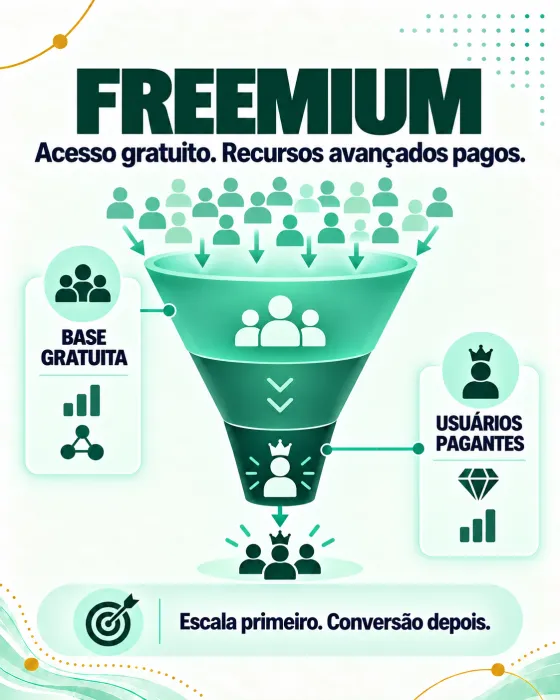
    Freemium combines a free basic version with paid plans. The free version lowers the entry barrier and helps reach critical mass; sustainability depends on conversion, on the cost of the free base and on a clear difference in value between plans.

    Read the full piece 2 min read

    • Information Economics
    • Pricing
    • Freemium
    • Business Models
  9. Part 9

    Digital power and regulation

    Innovation with competition and rights.

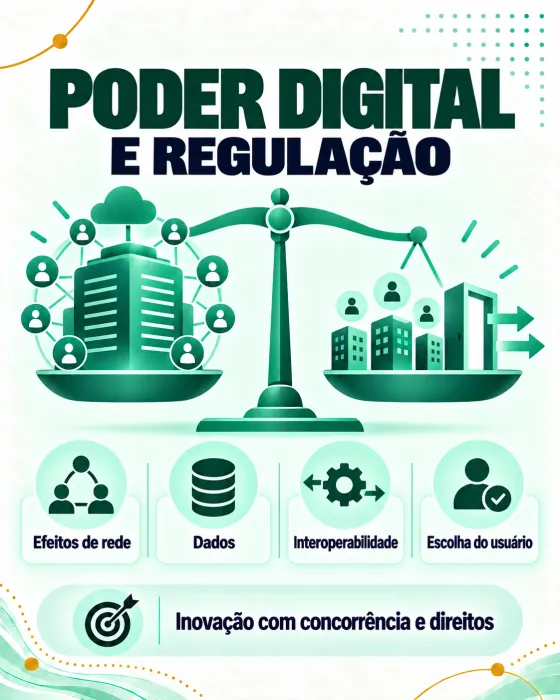
    Network effects, economies of scale, control over data and low marginal costs favour concentration in digital markets. The regulatory challenge goes beyond price: it involves data, attention, portability, interoperability, supplier dependence, privacy and algorithmic transparency.

    Read the full piece 3 min read

    • Regulation
    • Competition
    • Digital Platforms
    • Data Protection

All content