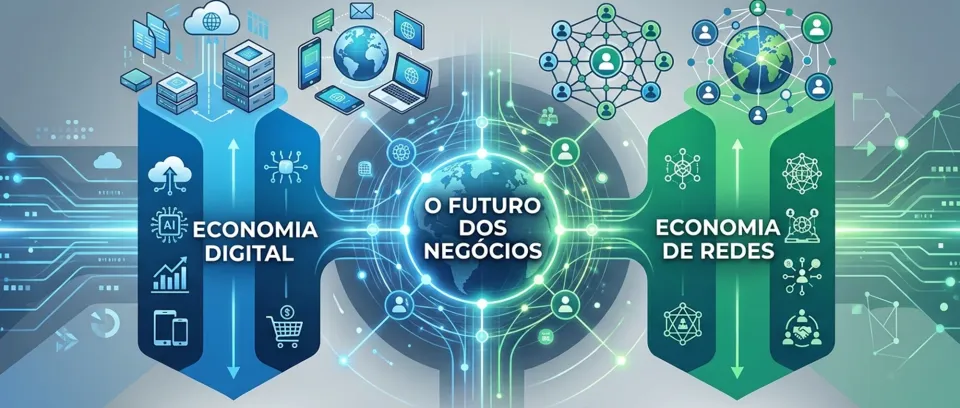
Thematic series · 9 publications
Information Economics and Network Economics
Information goods, network effects, platforms, monetisation and regulation.
Economics, law, data and technology to understand decisions, markets and territories.
Outreach pieces written by the author from his teaching and research areas, at the intersection of economics, law, information systems, data and econometrics, public innovation, territorial development, maritime economics and fisheries economics. Personal content; it does not constitute a statement by UFAL or TJAL.
Archive by semester·Editorial policy· Subscribe via RSS· LinkedIn (opens in a new tab)
Thematic series · 9 publications
Information goods, network effects, platforms, monetisation and regulation.
Thematic series · 10 publications
The sea as economic infrastructure for ports, routes, fisheries, the blue economy and information systems.
Information Economics and Network Economics · Part 1
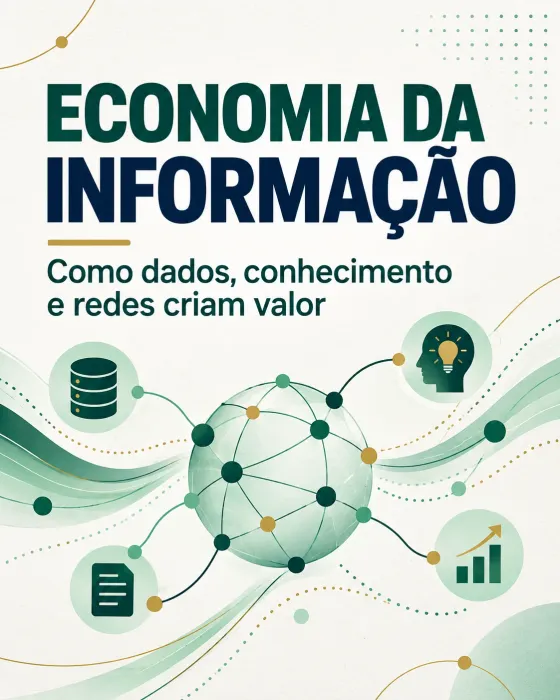
With data, knowledge and networks we create value.
Information economics studies how information and knowledge shape decisions, markets, contracts and forms of productive organisation. In the digital economy, information stops being an auxiliary resource and becomes an economic asset, a productive input and a source of power.
Read the full piece 3 min read
Information Economics and Network Economics · Part 2
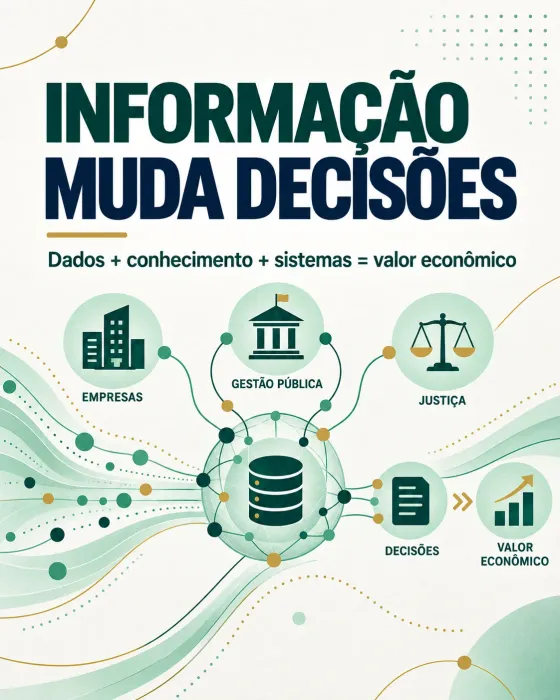
Data, knowledge and systems alter choices.
Economic decisions depend on the information available. When the parties know different things, adverse selection, moral hazard, distrust and inefficient contracts appear, and information systems can either reduce or concentrate those asymmetries.
Read the full piece 2 min read
Information Economics and Network Economics · Part 3
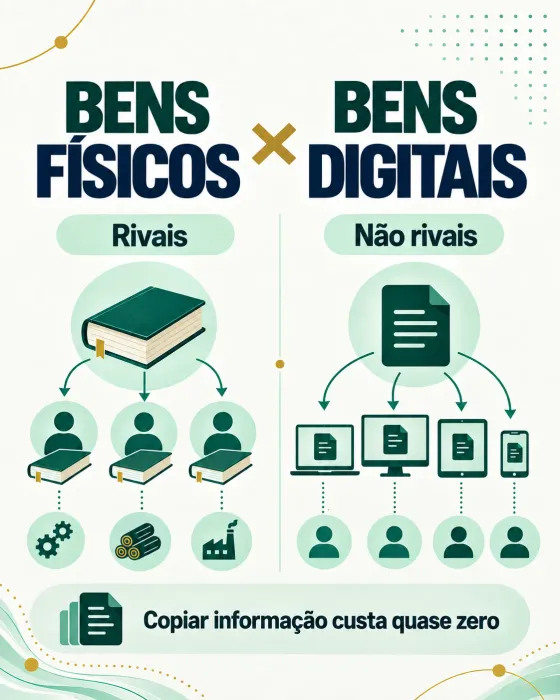
Copying information costs almost nothing.
A physical good is rival; information and many digital goods are not. The initial production cost can be high, but an extra copy costs almost nothing, and that changes pricing and favours subscriptions, advertising, licensing, versioning, bundles and freemium.
Read the full piece 2 min read
Information Economics and Network Economics · Part 4
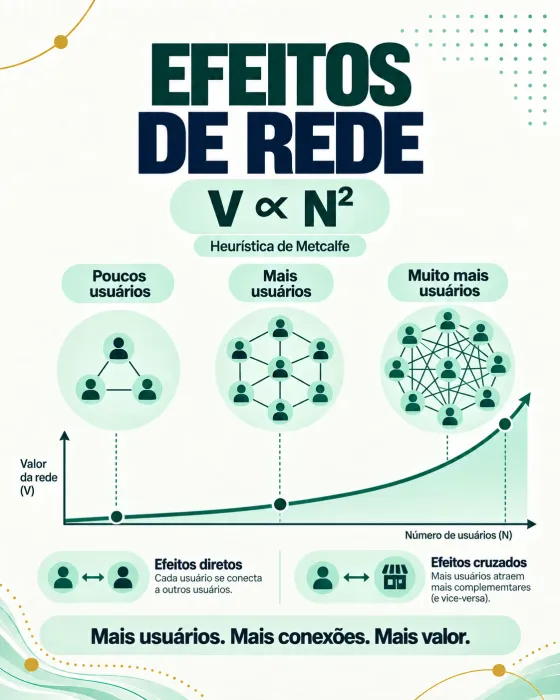
More users. More connections. More value.
Network effects arise when the value of a product grows as more people use it, directly, as in messaging apps, or across groups, when one side attracts the other. The challenge for platforms is to reach critical mass.
Read the full piece 2 min read
Information Economics and Network Economics · Part 5
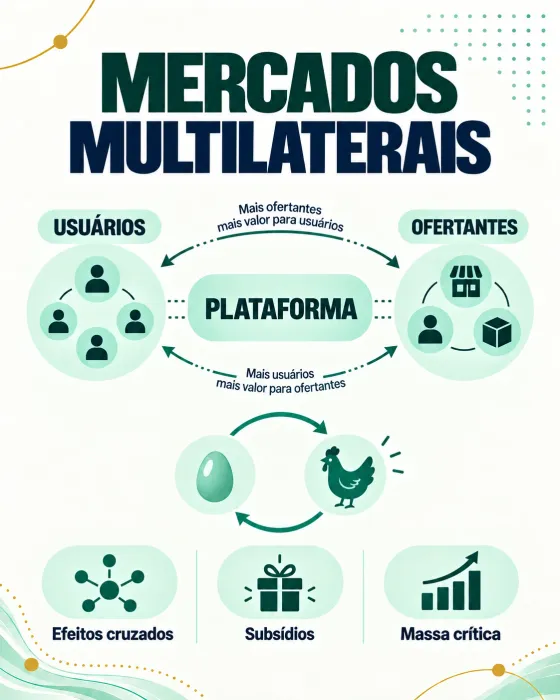
One platform connects different groups.
Multi-sided platforms bring together groups that need each other: consumers and sellers, passengers and drivers, developers and users. Each side's value depends on the other, which creates the chicken-and-egg problem and justifies cross-subsidies.
Read the full piece 2 min read
Information Economics and Network Economics · Part 6
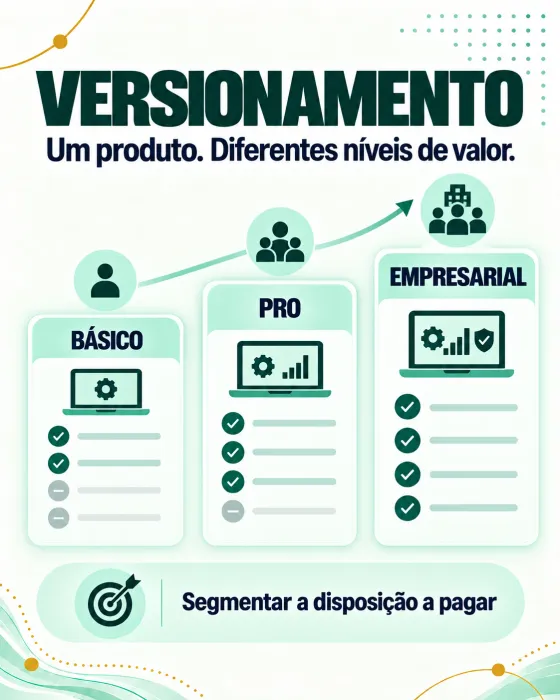
One product. Different levels of value.
Versioning means offering different versions of the same product to audiences with different needs and willingness to pay, varying features, capacity, support, security or number of users, without developing separate products.
Read the full piece 2 min read
Information Economics and Network Economics · Part 7
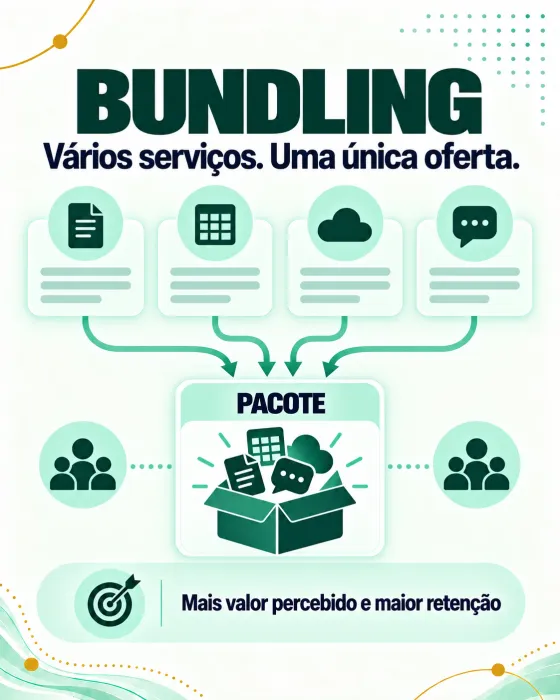
Several services. A single offer.
Bundling is the grouping of products or services into a single package that usually costs less than the components bought separately, raises perceived value, increases retention within the ecosystem and makes life harder for competitors that sell a single, stand-alone solution.
Read the full piece 2 min read
Information Economics and Network Economics · Part 8
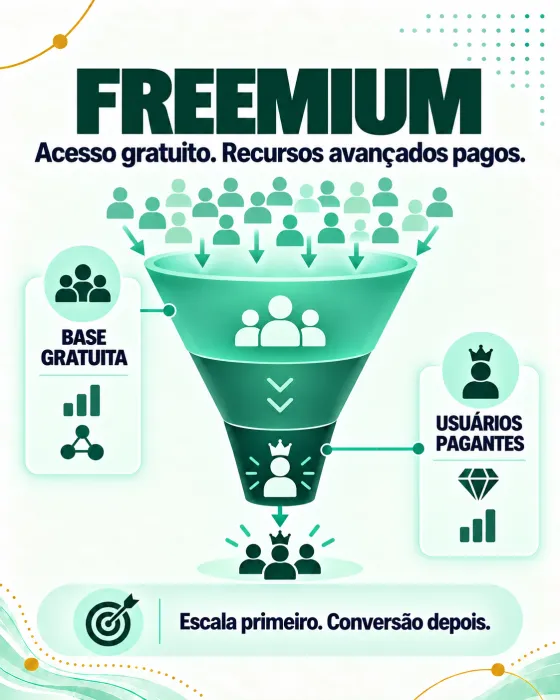
Free access. Paid advanced features.
Freemium combines a free basic version with paid plans. The free version lowers the entry barrier and helps reach critical mass; sustainability depends on conversion, on the cost of the free base and on a clear difference in value between plans.
Read the full piece 2 min read
Information Economics and Network Economics · Part 9
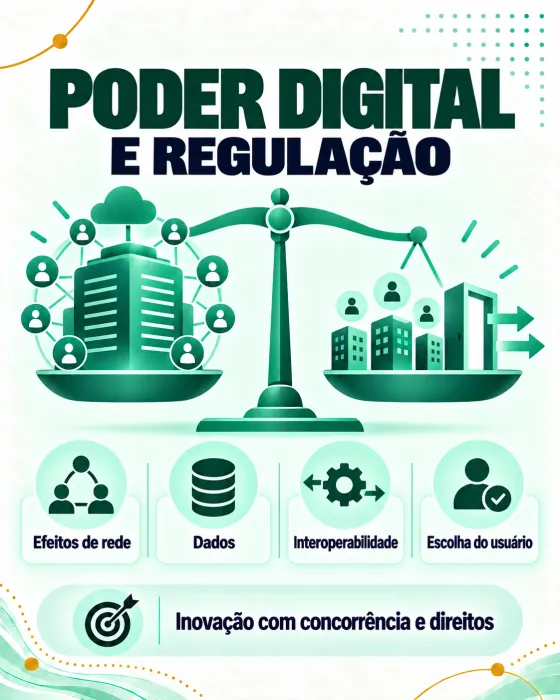
Innovation with competition and rights.
Network effects, economies of scale, control over data and low marginal costs favour concentration in digital markets. The regulatory challenge goes beyond price: it involves data, attention, portability, interoperability, supplier dependence, privacy and algorithmic transparency.
Read the full piece 3 min read
Maritime Economics and Fisheries Economics · Part 1
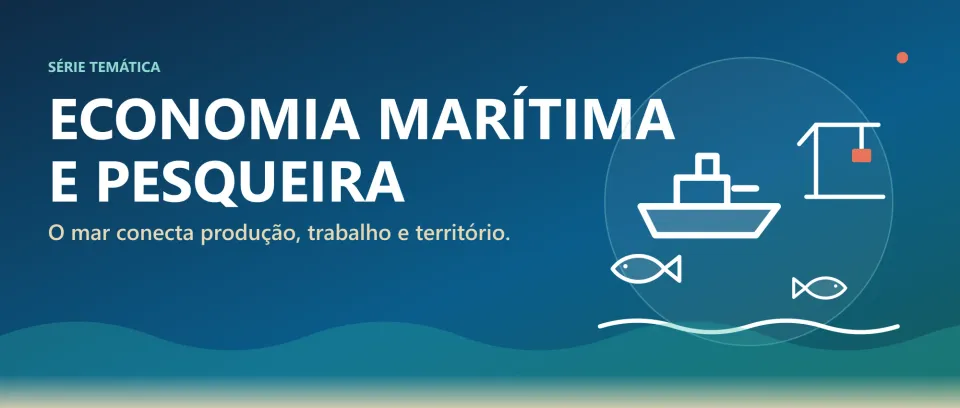
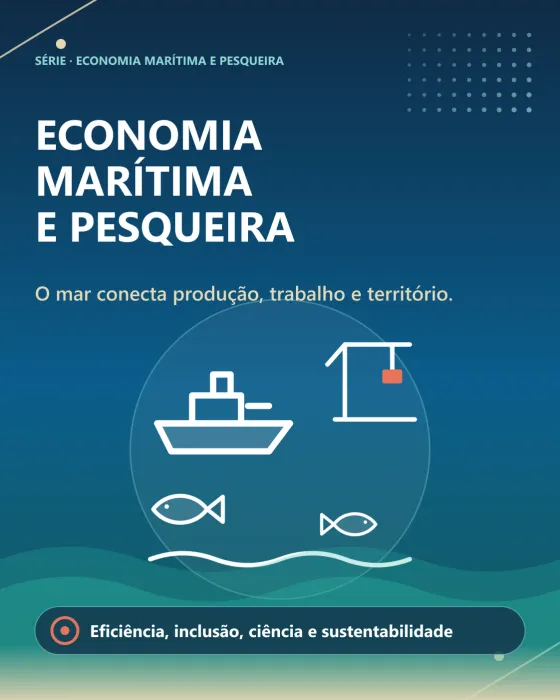
The sea connects production, work and territory.
Maritime economics and fisheries economics study activities that use the sea and its resources as a productive, logistical and social base: transport, ports, fishing, processing, energy, trade, science, monitoring and traditional communities.
Read the full piece 2 min read
Maritime Economics and Fisheries Economics · Part 2
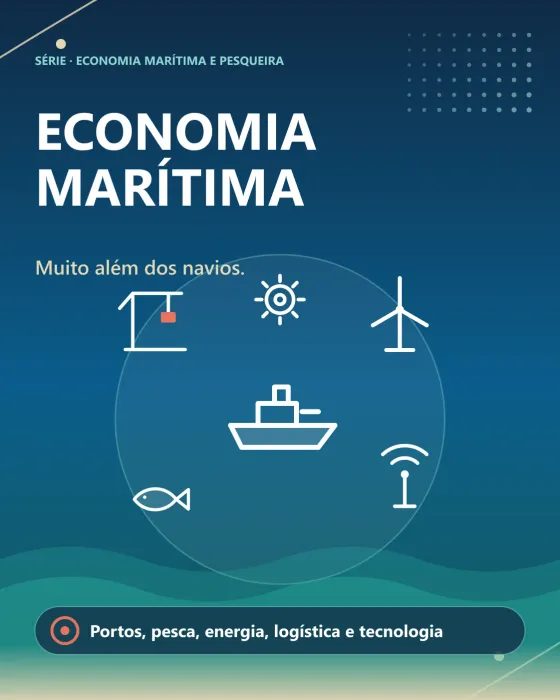
Well beyond ships.
Maritime economics covers, beyond transport, port infrastructure, shipbuilding, logistics, fishing and aquaculture, offshore energy, technology and coastal services: activities that affect jobs, prices, exports, food security and regional development.
Read the full piece 2 min read
Maritime Economics and Fisheries Economics · Part 3
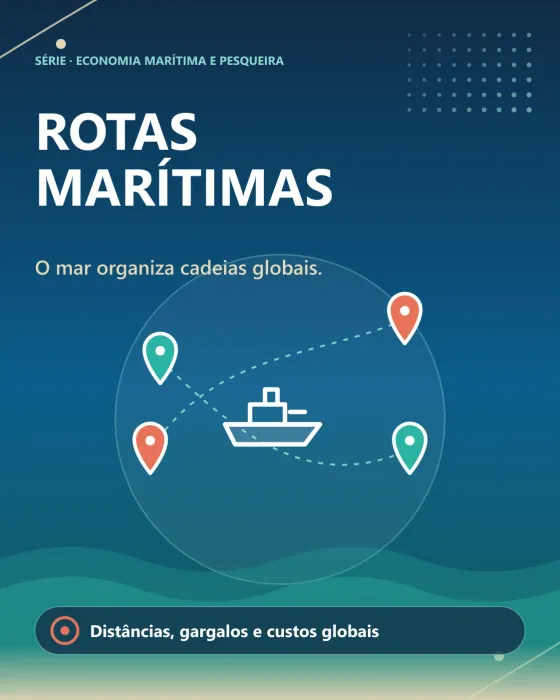
The sea organises global supply chains.
Most international trade depends on shipping. Distances, port capacity, fuel, voyage time, insurance and bottlenecks shape the final price of goods, and a disruption at a strategic passage affects supply chains in many countries.
Read the full piece 2 min read
Maritime Economics and Fisheries Economics · Part 4
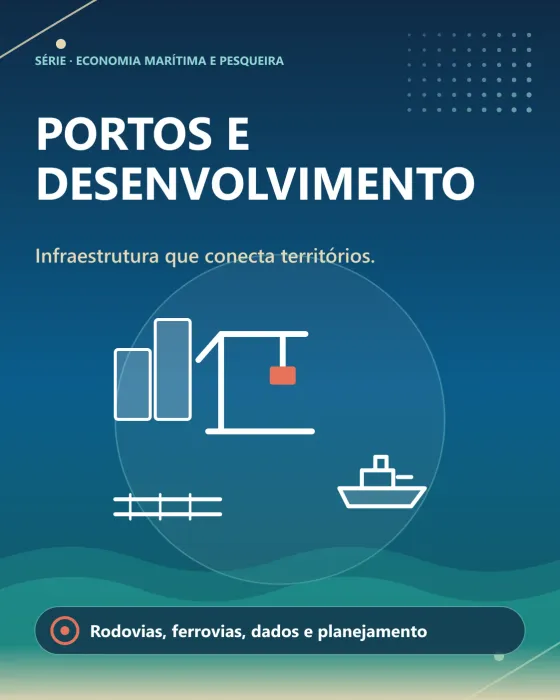
Infrastructure that connects territories.
An efficient port cuts costs, eases exports, attracts investment and stimulates logistics and industry. But its impact on the territory depends on integration with roads, railways, information systems, urban planning and environmental policy, and on the externalities it creates.
Read the full piece 2 min read
Maritime Economics and Fisheries Economics · Part 5
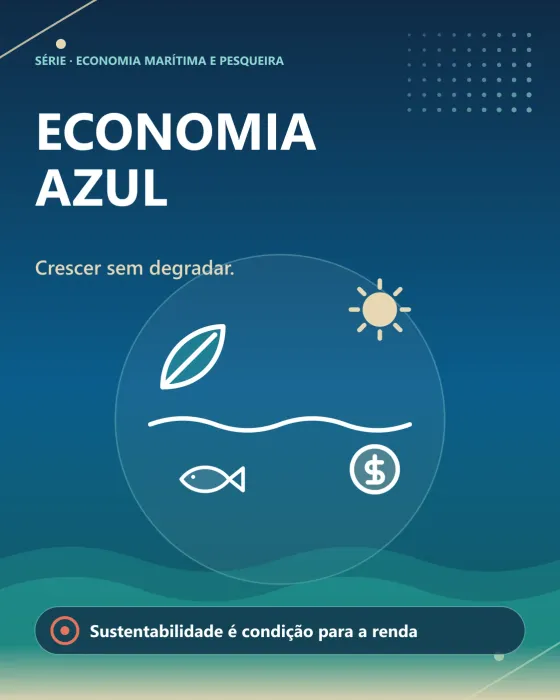
Growing without degrading.
The blue economy seeks to reconcile sea-related economic activity with environmental conservation and community well-being. The value produced by the oceans depends on healthy ecosystems; sustainability is a condition for continued income, not a separate goal.
Read the full piece 2 min read
Maritime Economics and Fisheries Economics · Part 6
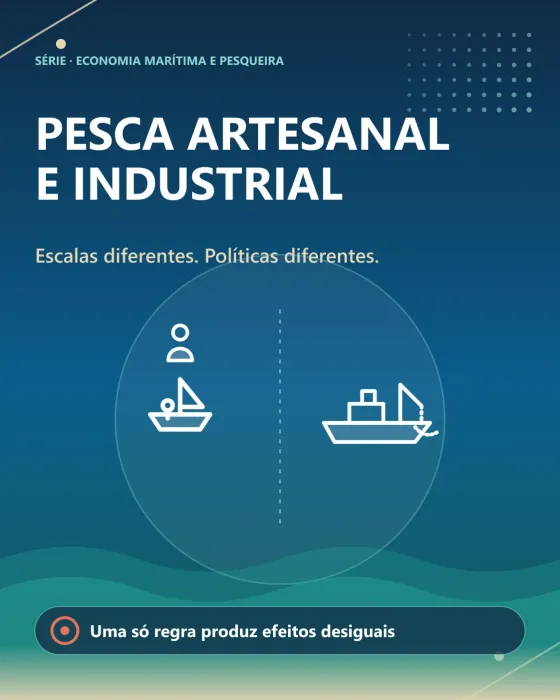
Different scales. Different policies.
Small-scale fishing is more tied to the territory, uses smaller boats and weighs on local income and food security; industrial fishing operates at larger scale, with more capital, technology and logistics. Differences in scale, cost and impact call for specific policies: a single rule produces unequal effects.
Read the full piece 2 min read
Maritime Economics and Fisheries Economics · Part 7
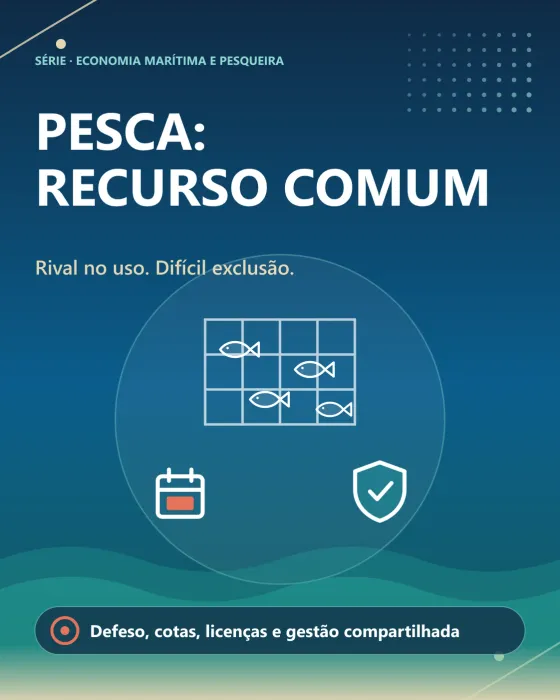
Rival in use. Hard to exclude.
Fish stocks are the classic example of a common-pool resource: access is hard to prevent, but the fish caught by one are no longer available to the others. Without rules, every fisher has an incentive to increase effort, and the result can be overfishing and lost income.
Read the full piece 2 min read
Maritime Economics and Fisheries Economics · Part 8
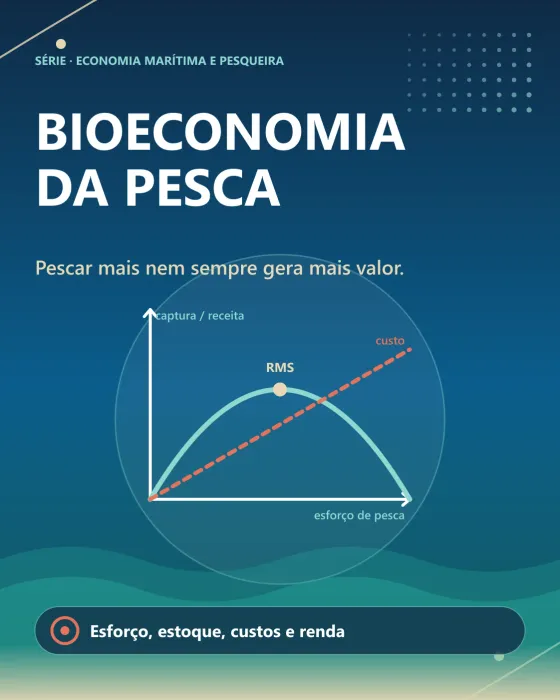
Fishing more does not always create more value.
Fisheries bioeconomics integrates the biological dynamics of stocks with the economic behaviour of fishers. When effort grows too much, the stock falls and each trip catches less: more boats, hours and fuel do not guarantee more production or income.
Read the full piece 2 min read
Maritime Economics and Fisheries Economics · Part 9
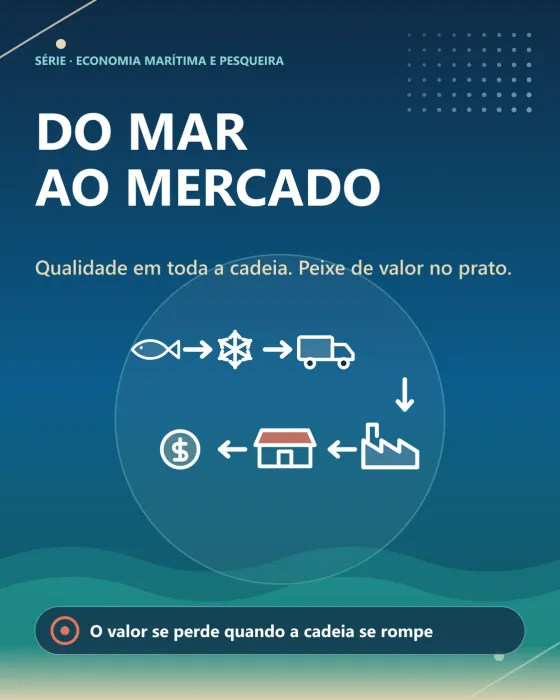
Quality along the whole chain. Valuable fish on the plate.
The seafood value chain does not end at the catch. Value depends on integrating capture, landing, refrigeration, transport, processing, marketing and consumption, and breaks in the cold chain cause waste, loss of quality, lower prices for fishers and food-safety risks.
Read the full piece 2 min read
Maritime Economics and Fisheries Economics · Part 10
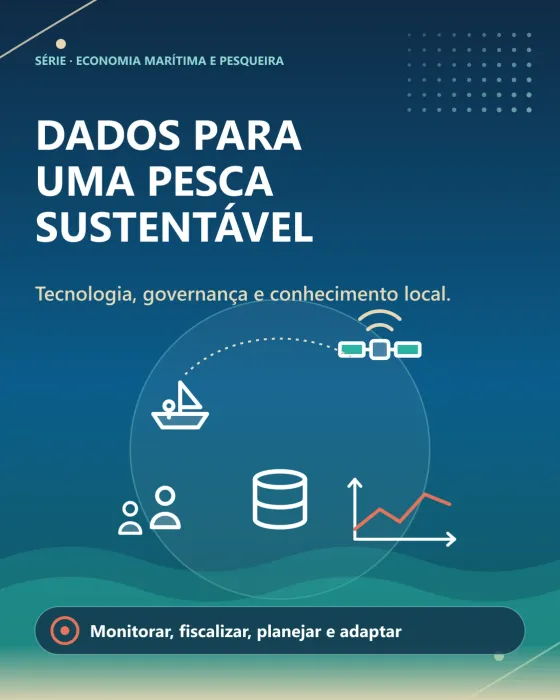
Technology, governance and local knowledge.
Fisheries management depends on reliable information about stocks, catches, effort, location, the ocean, climate, prices and communities. Information systems can integrate landings, vessel tracking, remote sensing and local data, provided they are combined with governance, data protection and fishers' participation.
Read the full piece 2 min read
No publication matches the selected filters.